The Importance of Reliable HVAC Systems for Businesses
May 16, 2026
Reliable HVAC systems are a critical component of modern business operations, directly influencing comfort, efficiency, and overall productivity. Whether operating a retail store, office building, healthcare facility, or industrial space, maintaining a stable indoor environment is essential for both employees and customers. Temperature fluctuations, poor air quality, or system breakdowns can quickly disrupt workflows, impact customer experiences, and lead to unnecessary operational challenges. As businesses continue to prioritize efficiency and sustainability, the role of dependable heating, ventilation, and air conditioning systems has become more important than ever.
Beyond comfort, HVAC systems play a significant role in controlling operational costs and supporting regulatory compliance. Efficient systems help manage energy consumption, reduce utility expenses, and maintain consistent performance throughout the year. In industries where environmental conditions are closely regulated, such as food service or healthcare, reliable HVAC systems are not just beneficial but essential. Investing in proper installation, routine maintenance, and timely upgrades ensures long-term reliability, minimizes unexpected downtime, and protects business continuity. Understanding the importance of dependable HVAC systems allows businesses to make informed decisions that support growth, stability, and long-term success.
1. Enhancing Workplace Comfort and Productivity
Creating a Stable Indoor Environment
A reliable HVAC system ensures consistent temperature and humidity levels, creating a comfortable environment for employees and customers. When indoor conditions are well-regulated, employees can focus on tasks without distractions caused by excessive heat, cold, or poor air circulation. This stability is especially important in office settings where concentration and efficiency directly impact output, long-term performance, and overall workplace satisfaction levels.
Impact on Employee Performance
Workplace comfort has a measurable effect on productivity. Studies consistently show that uncomfortable temperatures lead to decreased focus, increased fatigue, and reduced efficiency. For example, an overheated workspace can slow cognitive function, while excessively cold conditions may cause discomfort and distraction. A properly functioning HVAC system helps maintain optimal conditions, supporting better performance, improved morale, and stronger employee engagement across all departments.
Customer Experience and Satisfaction
In customer-facing businesses such as retail stores, restaurants, or hospitality venues, indoor comfort significantly influences customer perception. An environment that feels too warm or too cold can discourage customers from staying longer or returning in the future. Reliable HVAC systems help create a welcoming atmosphere, encouraging positive experiences, longer visits, stronger brand perception, and consistent repeat business over time.
2. Energy Efficiency and Cost Management
Reducing Operational Expenses
Energy costs represent a substantial portion of business expenses, and HVAC systems are often one of the largest contributors. Efficient systems reduce energy consumption by operating at optimal levels, avoiding unnecessary strain or overuse. Regular maintenance, such as cleaning filters and inspecting components, ensures that systems perform efficiently and do not waste energy, ultimately lowering monthly operational expenses and improving overall budget control.
Importance of Modern Technology
Advancements in HVAC technology have introduced energy-efficient solutions such as programmable thermostats, variable-speed systems, and smart controls. These technologies allow businesses to regulate temperature based on occupancy and usage patterns, significantly reducing energy waste. For instance, lowering heating or cooling during non-operational hours can lead to noticeable cost savings over time, improving efficiency and reducing unnecessary system wear and tear.
Long-Term Financial Benefits
Investing in reliable HVAC systems may involve upfront costs, but the long-term financial benefits outweigh the initial expense. Reduced energy bills, fewer repair costs, and extended system lifespan contribute to overall savings. Businesses that prioritize efficiency can also benefit from incentives or rebates associated with energy-saving upgrades, further enhancing return on investment and long-term financial stability.
3. Ensuring Regulatory Compliance and Safety
Meeting Industry Standards
Many industries must comply with strict environmental and safety regulations related to indoor air quality and temperature control. Reliable HVAC systems help maintain compliance by ensuring proper ventilation, filtration, and temperature stability. Failure to meet these standards can result in penalties, legal issues, or operational disruptions, potentially damaging business credibility and causing significant financial and reputational consequences.
Supporting Health and Air Quality
Indoor air quality is a critical aspect of workplace safety. Poor ventilation can lead to the accumulation of pollutants, allergens, and airborne contaminants, which may affect employee health and productivity. A well-maintained HVAC system filters out harmful particles and ensures a continuous flow of fresh air, creating a healthier environment that promotes wellness, reduces sick days, and improves overall workforce efficiency.
Preventing System-Related Hazards
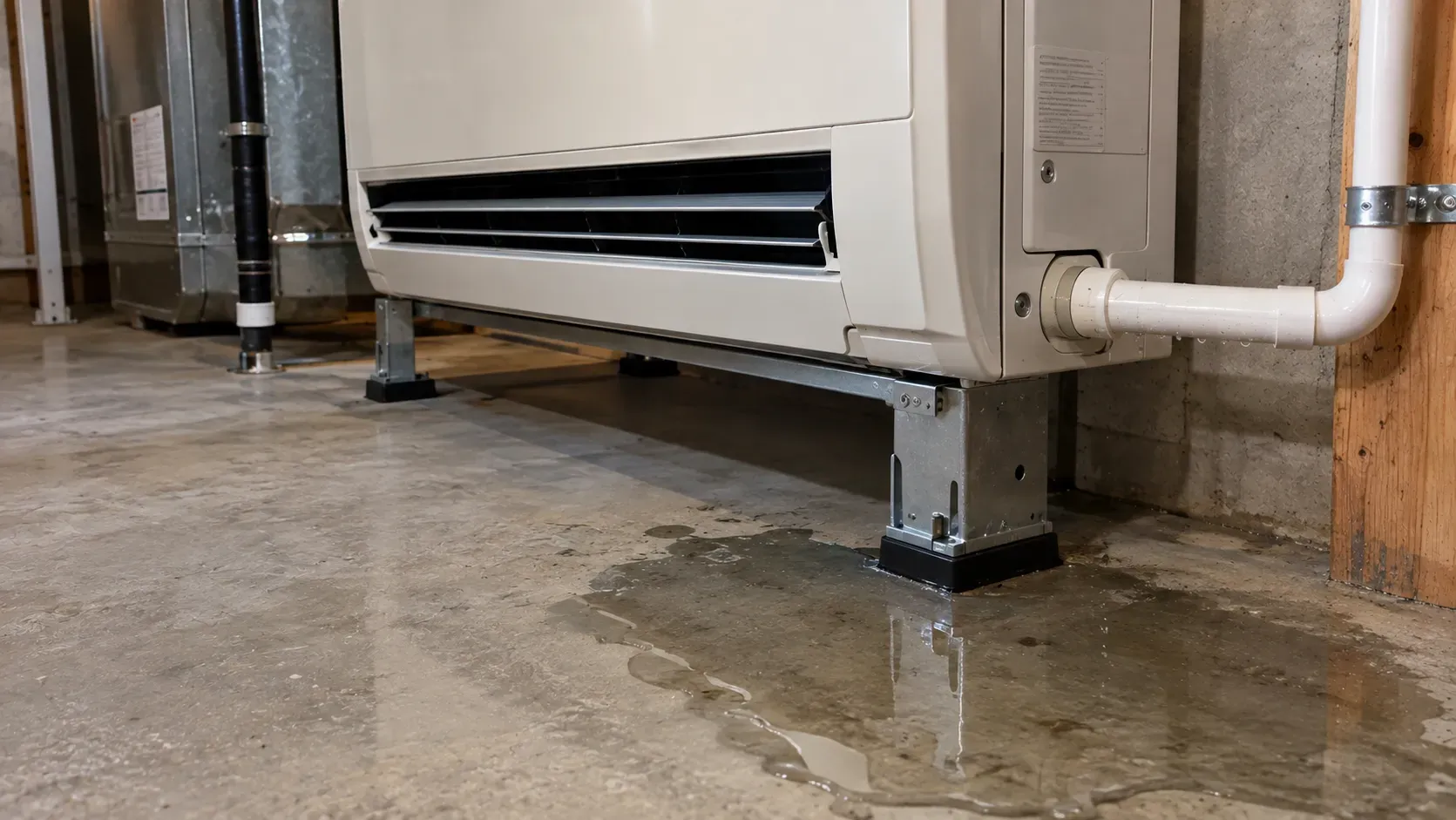
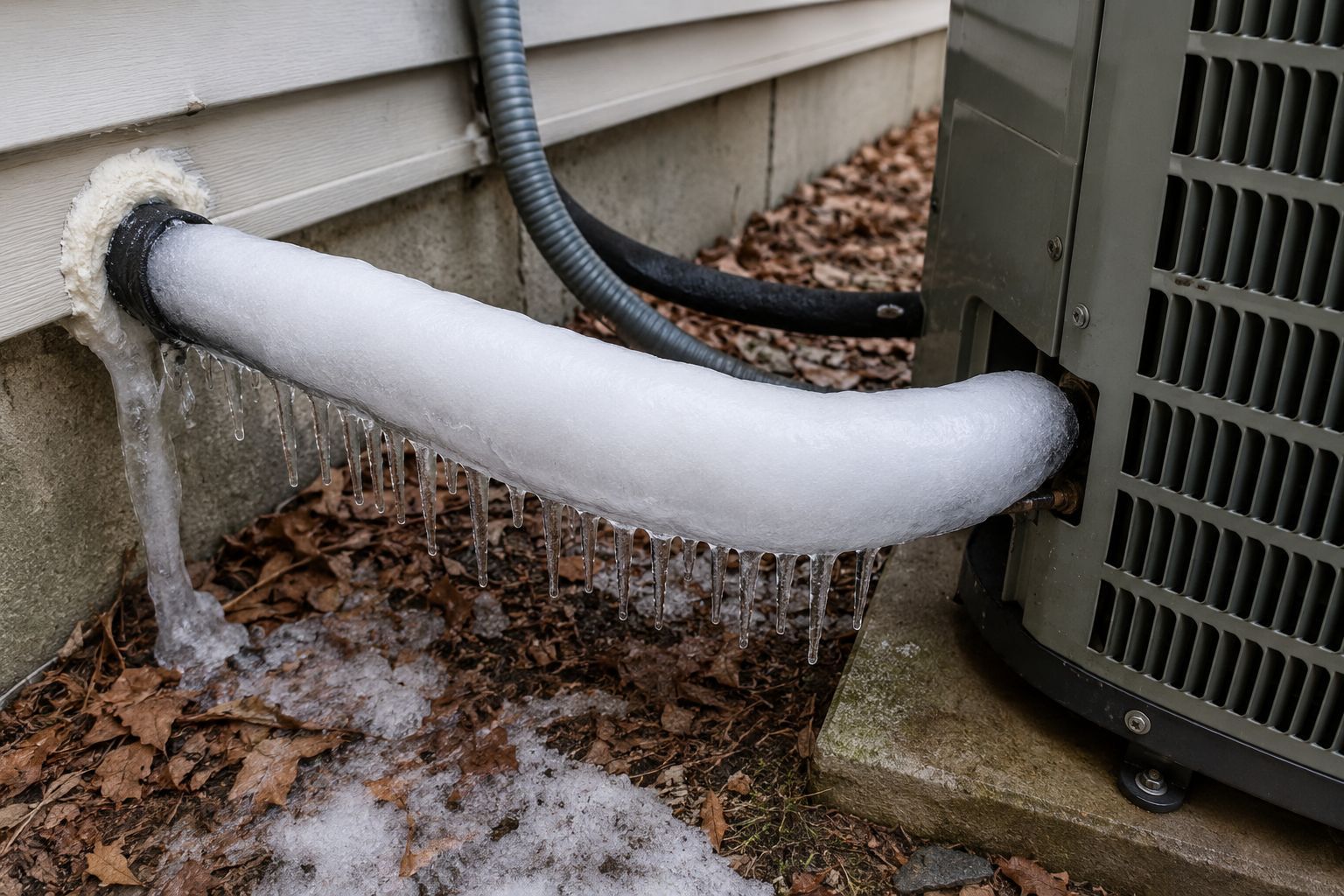
Faulty HVAC systems can pose safety risks, including electrical issues, gas leaks, or overheating components. Regular inspections and maintenance help identify potential problems before they escalate into serious hazards. Proactive care ensures that systems operate safely and reliably, protecting both occupants and property while reducing liability risks and avoiding costly emergency repairs or replacements.
4. Minimizing Downtime and Operational Disruptions
The Cost of Unexpected Failures
Unexpected HVAC system failures can disrupt business operations, leading to downtime, lost revenue, and dissatisfied customers. For example, a malfunctioning cooling system in a retail store during peak summer months can drive customers away, while a heating failure in winter may force temporary closure. Reliable systems reduce the risk of such disruptions, ensuring consistent operations and maintaining customer trust during critical business periods.
Importance of Preventive Maintenance
Preventive maintenance plays a key role in ensuring HVAC reliability. Scheduled inspections, component checks, and timely repairs help identify issues before they lead to system failure. This proactive approach minimizes downtime and extends the life of the equipment, ensuring consistent performance, reducing emergency repair costs, and improving long-term operational efficiency across all business activities.
Business Continuity Planning
Incorporating HVAC reliability into business continuity planning is essential. Backup systems, regular servicing, and emergency response strategies ensure that businesses can quickly recover from unexpected issues. Reliable HVAC systems contribute to uninterrupted operations, even during challenging conditions, helping organizations maintain productivity, protect revenue streams, and ensure customer satisfaction without prolonged service interruptions.
5. Supporting Equipment and Inventory Protection
Maintaining Optimal Conditions for Assets
Certain industries rely on controlled environments to protect equipment, products, or inventory. For example, electronics, pharmaceuticals, and food products require specific temperature and humidity levels to maintain quality and safety. Reliable HVAC systems ensure that these conditions are consistently met, preventing degradation, preserving product integrity, and supporting compliance with strict industry storage and handling standards.
Preventing Damage and Loss
Fluctuations in temperature or humidity can cause significant damage to sensitive materials. Excess humidity may lead to mold growth or corrosion, while low humidity can cause materials to dry out or crack. A dependable HVAC system prevents these issues, reducing the risk of costly losses, protecting valuable assets, and ensuring consistent product quality across all storage and operational environments.
Real-World Example
Consider a restaurant that relies on refrigeration and climate control to maintain food safety. A malfunctioning HVAC system can lead to temperature inconsistencies, potentially compromising food quality and leading to regulatory violations. Reliable systems ensure that such risks are minimized, helping maintain compliance, protect customer health, and uphold the business’s reputation within the competitive food service industry.
6. Building Long-Term Sustainability and Brand Reputation
Environmental Responsibility
Sustainability is becoming a priority for businesses across industries. Energy-efficient HVAC systems contribute to reduced carbon emissions and lower environmental impact. By investing in modern, efficient systems, businesses can align with sustainability goals and demonstrate environmental responsibility, strengthening corporate social responsibility initiatives and meeting increasing expectations from environmentally conscious consumers and stakeholders.
Enhancing Brand Image
Customers and stakeholders increasingly value businesses that prioritize sustainability and operational excellence. A reliable HVAC system reflects a commitment to quality, safety, and efficiency. This commitment enhances brand reputation and builds trust among customers and partners, positioning the business as forward-thinking, responsible, and dedicated to maintaining high operational standards in every aspect.
Future-Proofing Business Operations
As technology continues to evolve, businesses must adapt to changing standards and expectations. Upgrading to advanced HVAC systems ensures compatibility with future innovations and regulatory requirements. This forward-thinking approach supports long-term growth and competitiveness, allowing businesses to stay ahead of industry trends while maintaining efficiency, reliability, and adaptability in an ever-changing market landscape.
Trusted HVAC Expertise That Powers Business Success
Reliable HVAC systems are essential for maintaining efficient, safe, and comfortable business environments. From supporting employee productivity and enhancing customer experiences to reducing operational costs and ensuring regulatory compliance, the benefits of dependable systems extend across every aspect of business operations. Investing in high-quality equipment, prioritizing regular maintenance, and adopting energy-efficient technologies are critical steps toward achieving long-term reliability.
Businesses that recognize the importance of HVAC systems are better positioned to prevent disruptions, protect valuable assets, and maintain consistent performance throughout the year. A proactive approach not only minimizes risks but also supports sustainability and operational excellence. By focusing on reliability and efficiency, businesses can create environments that foster growth, stability, and long-term success in an increasingly competitive landscape.
A & A Precision Heating, Cooling & Refrigeration
stands as a
trusted HVAC contractor
serving businesses with professionalism, expertise, and a commitment to long-term performance. With over 30
years of industry experience in Evansville, Indiana, we understand the critical role HVAC systems play in maintaining operational efficiency and comfort. Our approach focuses on delivering reliable solutions tailored to the unique needs of each business, ensuring consistent performance and energy efficiency. We prioritize precision in every installation, maintenance service, and system upgrade, helping businesses reduce downtime and control operational costs. Our dedication to quality workmanship and customer satisfaction sets us apart as a dependable partner in the HVAC industry. By choosing us, businesses gain access to proven expertise, advanced solutions, and a commitment to excellence that supports long-term success and reliability.