AC Running but the House Won't Cool? The Most Common Causes
July 20, 2026
Quick Answer: When your air conditioner runs but the house will not cool, the cause is almost always something choking the system's ability to move heat: a clogged filter or blocked airflow, a dirty evaporator or condenser coil, a frozen coil, low refrigerant from a leak, or a failed capacitor, contactor, or compressor. The outdoor unit might be humming while delivering little or no cold air. Because several very different faults produce the same warm-air symptom, the fix is measured diagnosis rather than guesswork, and running the system hard while it struggles usually makes the underlying problem worse.
It is a hot afternoon, the thermostat is set to 70, and the air handler is clearly running. You can hear the blower, you can hear the outdoor unit, and yet the house just keeps climbing toward the outdoor temperature. The air at the vents feels weak, or lukewarm, or maybe cool but nowhere near enough to keep up. You lower the setting another few degrees and nothing changes except the meter spinning faster.
A system that runs but does not cool is one of the most common calls we get once summer settles over the Ohio Valley, and it is rarely random. An air conditioner that is powered on but losing the fight is telling you that something in the heat-moving process has broken down. The good news is that the list of usual suspects is short and well understood. Here is what actually goes wrong, why each one strips away cooling, and how a technician tells them apart.
Cooling Is About Moving Heat, Not Making Cold
It helps to understand what your air conditioner is really doing, because every failure on this list is a failure of that one job.
An AC does not manufacture cold air the way a furnace manufactures heat. It uses refrigerant to absorb heat from the indoor air at the evaporator coil, carries that heat outside, and dumps it into the outdoor air at the condenser coil. The cool air you feel is the leftover after the heat has been pulled out and moved away. That means cooling depends on three things happening at once: enough air flowing across the indoor coil, enough refrigerant circulating at the right pressures, and the outdoor unit successfully rejecting the heat it collected. Break any one of those, and the system keeps running while the house stays warm. Almost everything below is a version of one of those three links failing.
Start With the Simple Things First
Before assuming the worst, it is worth ruling out the handful of ordinary issues that mimic a major failure. A surprising number of no-cooling calls come down to something basic.
Check the thermostat mode and setting
Make sure it is set to Cool, not just Fan or On, and that the target is actually below the room temperature. A thermostat left on Fan will run the blower and push room-temperature air through the vents all day, which feels exactly like an AC that stopped cooling. Fresh batteries and an accurate reading matter here too.
Look at the air filter
A filter caked with dust is the single most common reason a system loses performance. It starves the coil of the airflow it needs, and a clogged filter can measurably raise energy use while cutting output. Most filters need attention every 30 to 90 days, and in a dusty or pet-filled home, closer to 30.
Confirm the outdoor unit has power
If the indoor blower runs but the outdoor unit sits silent, a tripped breaker, a blown fuse in the disconnect, or a failed capacitor may have knocked out the half of the system that actually moves heat outside. The blower alone cannot cool anything.
When these come up clean, the problem is deeper in the system, and that is where diagnosis earns its keep.
Airflow Problems Are the Usual Culprit
More often than any other cause, a house that will not cool has an airflow problem. The coil can only pull heat out of air that reaches it, so anything restricting that flow directly cuts your cooling.
A dirty evaporator coil
Over months and years, dust that slips past the filter settles on the indoor coil and forms an insulating film. That layer blocks the heat transfer the coil is built for, so the refrigerant cannot absorb heat efficiently and the air leaving the vents is barely cooled. A dirty coil often follows a long-neglected filter.
Blocked or closed vents and returns
Furniture pushed against a return grille, closed supply registers in several rooms, or crushed flex duct all reduce the volume of air crossing the coil. Airflow problems alone can cut a system's efficiency by up to 15 percent, and severe restriction can drop output far more than that.
A weak or failing blower
If the blower motor is running slow, the wheel is caked with dust, or the fan speed is set wrong, not enough air moves across the coil no matter how clean everything else is. The compressor keeps working, but the delivered cooling falls off.
Restricted airflow does not just weaken cooling. It sets up the next problem on the list.
TIP: Put your hand over a supply vent and then over the nearest return grille while the system runs. Strong, cold flow at the supply and steady suction at the return is what you want. Weak flow at the supply points toward a restriction, a dirty coil, or a blower problem, while almost no cold at all with the system running usually means the refrigerant side or the outdoor unit needs a look.
The Outdoor Unit Can't Get Rid of the Heat
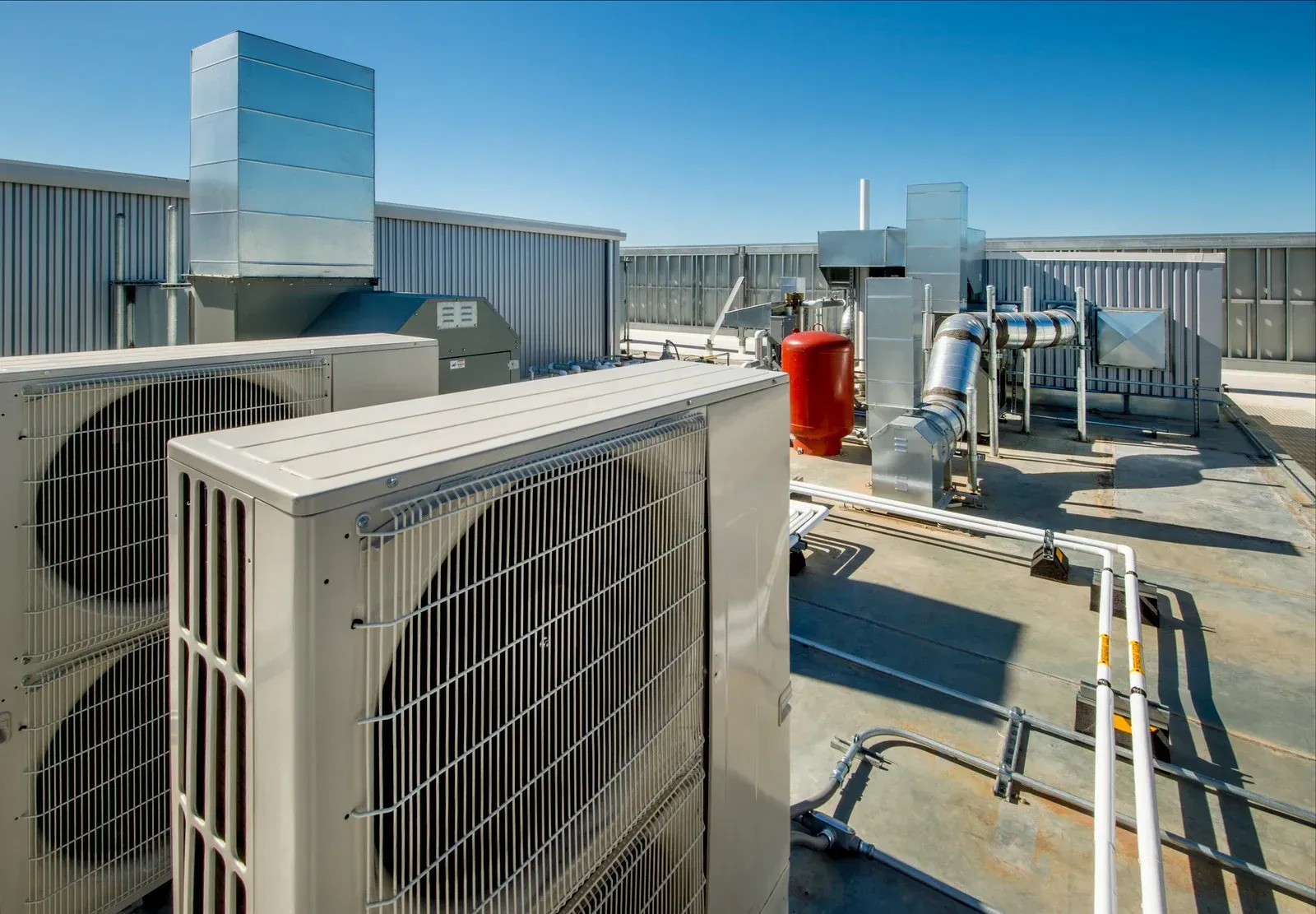
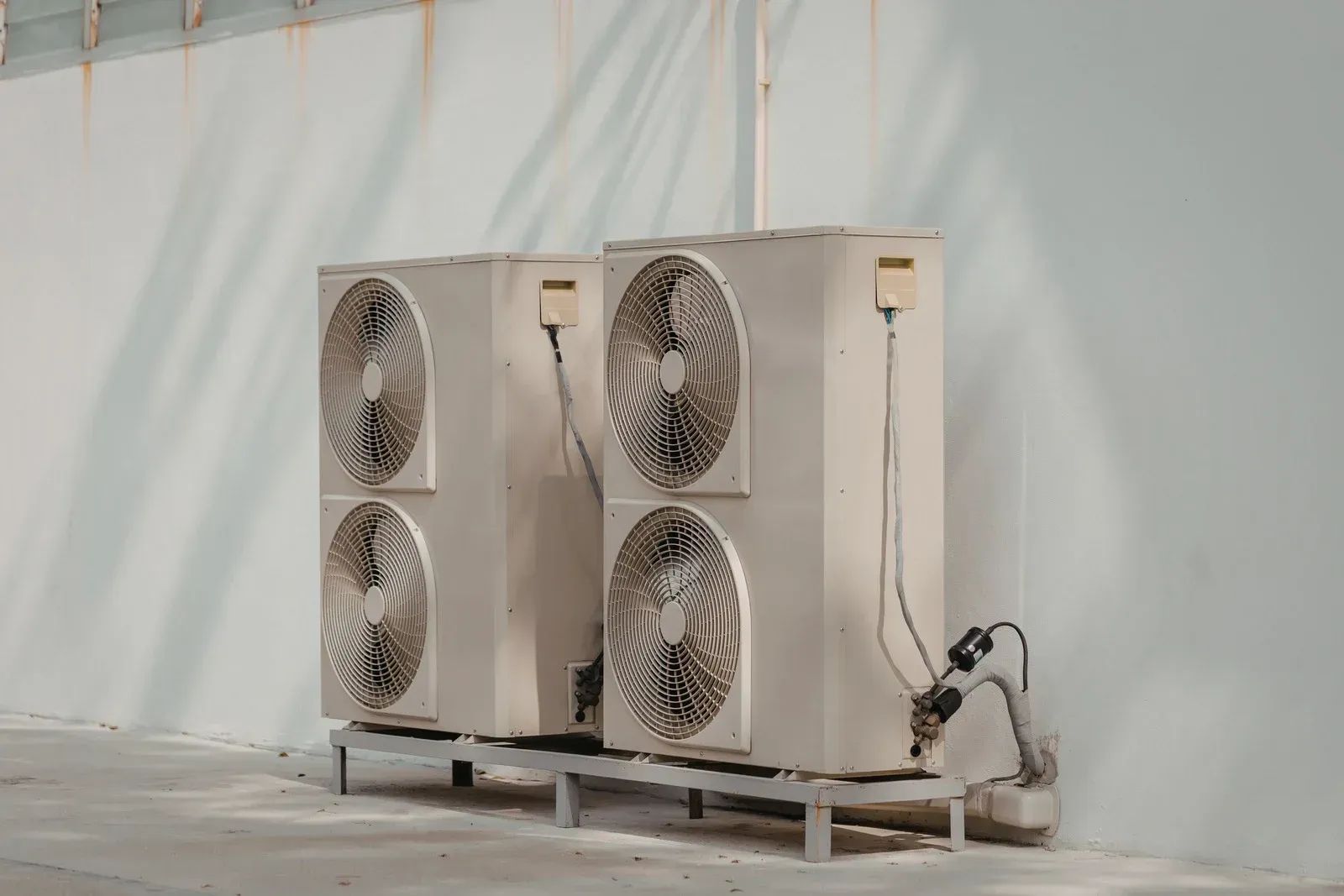
Even with perfect airflow indoors, cooling collapses if the outdoor unit cannot release the heat it collected. This is the second half of the heat-moving job, and it fails in a few predictable ways.
A dirty condenser coil
The outdoor coil sheds heat into the passing air, and it can only do that if it is clean. Dirt, grass clippings, cottonwood, and grime act as insulation and trap heat in the system. The effect is bigger than most people expect: testing has shown that as little as 0.042 inches of dirt on a condenser coil can drop its efficiency by around 21 percent and drive refrigeration energy use up by roughly 35 percent. A caked outdoor coil is a direct hit to cooling capacity.
Blocked airflow around the unit
Tall grass, weeds, mulch, a fence built too close, or a cover left on can choke the air the condenser needs to breathe. The unit runs hotter and hotter and rejects less heat, so the whole system falls behind on the hottest days.
A dead or weak condenser fan
If the outdoor fan is not spinning, or the fan motor is failing, the heat has nowhere to go. Pressures and temperatures climb, cooling drops, and the system may shut itself down on a safety control before it manages to damage the compressor.
When the outdoor unit cannot dump its heat, the indoor side has no capacity left to spare, and the house simply stays warm no matter how low you set the thermostat.
WARNING: If the outdoor unit is running but the fan on top is not turning, or you hear a loud hum with no fan movement, shut the system off at the thermostat rather than letting it keep trying. A stalled condenser fan lets pressures and temperatures spike, and continuing to run can overheat and damage the compressor. Leave it off and have it checked instead of forcing it through the heat.
Low Refrigerant Almost Always Means a Leak
Refrigerant is the fluid that carries heat out of your home, so when the charge drops, so does cooling. And because refrigerant is not consumed in normal operation, low charge nearly always means there is a leak somewhere.
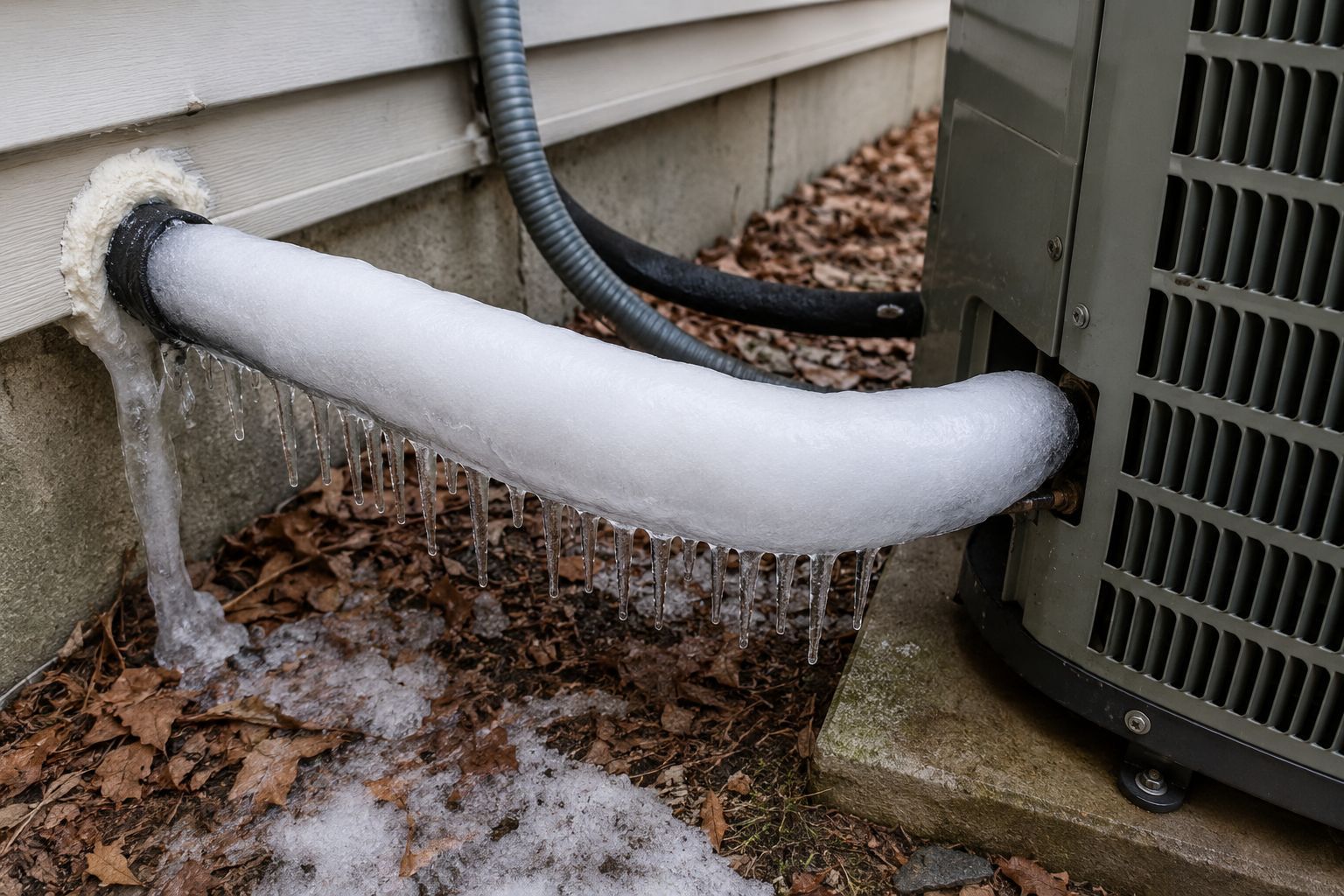
A system low on refrigerant cannot absorb as much heat at the indoor coil, so the air at the vents is weaker and warmer than it should be, and the system runs far longer trying to reach a setpoint it never hits. Low charge is also a leading cause of the frozen coil described earlier, because the pressure drop chills the coil below freezing. Telltale signs include hissing near the coil or lines, an oily residue at a fitting, or ice showing up alongside poor cooling. Simply adding refrigerant without finding and repairing the leak is a temporary patch at best, because the new charge escapes the same way the old one did. Proper handling of refrigerant is work for a trained technician who can find the leak, repair it, and recharge the system to the correct level.
Frequently Asked Questions
Why is my AC running constantly but the house keeps getting warmer?
Because something stops the system from moving heat effectively. Common reasons are restricted airflow, a frozen coil, low refrigerant, a dirty condenser, or a failed capacitor. The unit runs endlessly because it never reaches the setpoint, signaling lost capacity.
Why is my air conditioner blowing warm air even though it's on?
Warm air at the vents usually means the cooling side is not working. A frozen coil, low refrigerant, a dirty condenser, or an outdoor unit not running are typical causes. The blower moves air, but nothing cools it.
Should I keep running my AC while it's not cooling?
Generally no. If the coil is frozen, the outdoor fan is stopped, or the compressor is struggling, running it can turn a moderate repair into major compressor damage. Switch cooling off, let ice thaw, and have it diagnosed.
Can a dirty filter really stop my AC from cooling?
Yes. A clogged filter starves the indoor coil of airflow, which weakens cooling, drives up energy use, and can freeze the coil solid until no cold air comes out. Changing it on schedule is the easiest prevention.
How do I know if it's low refrigerant or something else?
Low refrigerant shows as weak, warmer air, long run times, ice on the coil, and sometimes hissing or oily residue. Those signs overlap with airflow problems, so gauges confirm it. Low charge nearly always means a leak.
The outdoor unit is humming but the fan isn't spinning. What does that mean?
That pattern most often points to a failed capacitor or a stuck fan motor. The unit has power but cannot start the fan, so it cannot reject heat. Shut it off promptly to protect the compressor.
Getting Real Cooling Back
An air conditioner that runs but will not cool is not a mystery once you know what to look for. Every cause on this list is a break in the same chain: air has to flow across the indoor coil, refrigerant has to circulate at the right charge, and the outdoor unit has to dump the heat it collected. When cooling disappears, one of those links has failed, whether it is a clogged filter, a frozen or dirty coil, a leak-driven low charge, a dead fan, or a tired compressor. The path forward is measured diagnosis that finds the actual break, not a colder thermostat setting or another handful of guessed-at parts. Catch it early, keep the filter and coils clean, and you keep the whole chain intact.
Schedule a
no-cooling diagnostic
— When your AC runs but the house stays warm, the answer is finding exactly which link in the cooling chain has broken, from airflow and coils to refrigerant and the compressor, and correcting it the right way. Serving Evansville, Indiana, A & A Precision Heating, Cooling & Refrigeration
brings 30+ years of licensed, insured, and bonded HVAC and refrigeration experience, backed by a warranty of up to 10 years on parts, equipment, and labor, to pinpoint the fault and restore steady, dependable cooling. Reach out to book a diagnostic and get cold air you can count on through the summer.