5 Simple Tips to Keep Your Home Comfortable Year-Round
February 24, 2026
Maintaining a comfortable home throughout the year is no longer a luxury—it is a necessity shaped by changing weather patterns, rising energy costs, and increasing expectations for indoor air quality. Home comfort directly affects health, productivity, and overall quality of life, making it a critical focus for homeowners seeking long-term value from their living spaces. Whether facing extreme summer heat, winter cold, or fluctuating seasonal conditions, comfort depends on thoughtful systems, informed decisions, and consistent maintenance rather than quick fixes.
In today’s residential environment, comfort is defined by more than temperature control alone. It includes humidity balance, energy efficiency, airflow consistency, and system reliability. Small, practical adjustments can deliver measurable improvements without major renovations or excessive expense. Understanding how different components of a home work together empowers homeowners to prevent discomfort before it starts. This guide outlines five simple, proven strategies that help maintain a stable, comfortable indoor environment year-round. Each tip is grounded in practical application and industry best practices, offering clear steps homeowners can take to improve comfort, reduce energy waste, and extend the life of essential systems while maintaining a balanced, livable home in every season.
Tip 1: Maintain Consistent Temperature Control
Why Temperature Stability Matters
Consistent indoor temperature forms the foundation of a comfortable home environment. Rapid temperature fluctuations strain HVAC systems, raise energy usage, and create uneven living conditions across rooms. Without stable indoor temperatures, homeowners often experience hot and cold spots, discomfort during seasonal changes, and increased utility bills. Maintaining consistent warmth or coolness not only supports personal comfort but also prevents unnecessary wear and tear on heating and cooling equipment over time.
Actionable Steps for Homeowners
Using programmable or smart thermostats allows homeowners to maintain optimal indoor temperatures automatically according to daily routines. Gradual adjustments, rather than sudden extreme changes, reduce system workload and improve efficiency. Sealing air leaks around windows, doors, and ductwork further stabilizes temperatures by preventing heat transfer. Together, these practices support steady indoor conditions, enhance energy efficiency, and improve comfort across all rooms without overburdening the HVAC system.
Real-World Benefits
Homes with consistent temperature control enjoy improved comfort and lower energy costs while reducing system stress. Even airflow and stable temperatures reduce cold or hot spots, contributing to better indoor living experiences. Steady indoor climates also prevent excess dryness in winter and excessive humidity in summer. As a result, occupants experience healthier air quality, fewer maintenance issues, and a more reliable HVAC system throughout seasonal changes.
Tip 2: Improve Insulation and Air Sealing
The Role of Insulation in Year-Round Comfort
Insulation functions as a protective layer that maintains indoor temperatures by preventing heat transfer between the home and outside environment. Poor or insufficient insulation causes heat loss during winter and heat gain in summer, forcing HVAC systems to work harder to maintain comfort. Proper insulation reduces temperature fluctuations, improves energy efficiency, and helps maintain consistent comfort throughout all rooms, creating a more enjoyable and controlled indoor environment year-round.
Best Practices for Effective Insulation
Attics, walls, crawl spaces, and basements should be insulated using materials suitable for the local climate and building type. Air sealing works alongside insulation by closing gaps around vents, outlets, and structural openings, while weatherstripping doors and windows minimizes drafts. These combined practices help retain conditioned air, reduce energy usage, and improve HVAC system efficiency. Implementing both insulation and air sealing ensures a more consistent, comfortable, and energy-efficient home environment.
Long-Term Advantages
Proper insulation and air sealing maintain year-round temperature consistency while lowering energy bills and reducing system strain. Homes experience fewer cold or hot spots and improved sound insulation. Insulation also stabilizes indoor humidity, preventing moisture issues and protecting furnishings. Over time, these improvements extend the lifespan of HVAC systems and reduce maintenance costs, while delivering a more consistent, comfortable, and efficient living space that supports health, productivity, and long-term home value.
Tip 3: Manage Indoor Humidity Levels
Why Humidity Control Is Essential
Indoor humidity significantly affects perceived comfort and overall home environment. Excess moisture can make the home feel warmer during summer, while overly dry air in winter causes discomfort, static electricity, and respiratory irritation. Balanced humidity enhances both comfort and air quality. Controlling indoor moisture also protects structural elements and furnishings from damage. Proper management ensures a more consistent, comfortable environment that improves health, well-being, and overall enjoyment of indoor spaces.
Practical Humidity Solutions
Dehumidifiers help manage excess moisture during humid seasons, while whole-home humidifiers add necessary moisture in dry months. Ventilation systems in kitchens, bathrooms, and laundry areas prevent localized moisture buildup, reducing mold risks. Additionally, regular HVAC inspections ensure the system can regulate humidity effectively. Combining these approaches allows homeowners to maintain optimal indoor moisture levels, improving comfort, protecting surfaces, and enhancing overall air quality throughout seasonal changes.
Comfort and Health Benefits
Maintaining proper humidity levels improves overall comfort, protects wood and furnishings, and reduces the risk of mold and mildew growth. Balanced humidity supports respiratory health, prevents irritation from overly dry air, and reduces static electricity. Homes with controlled humidity feel naturally comfortable across seasons and require less energy for heating or cooling. This also contributes to a healthier indoor environment, improved sleep quality, and long-term protection of both occupants and the home’s interior.
Tip 4: Prioritize Regular HVAC Maintenance
Preventive Care Makes a Difference
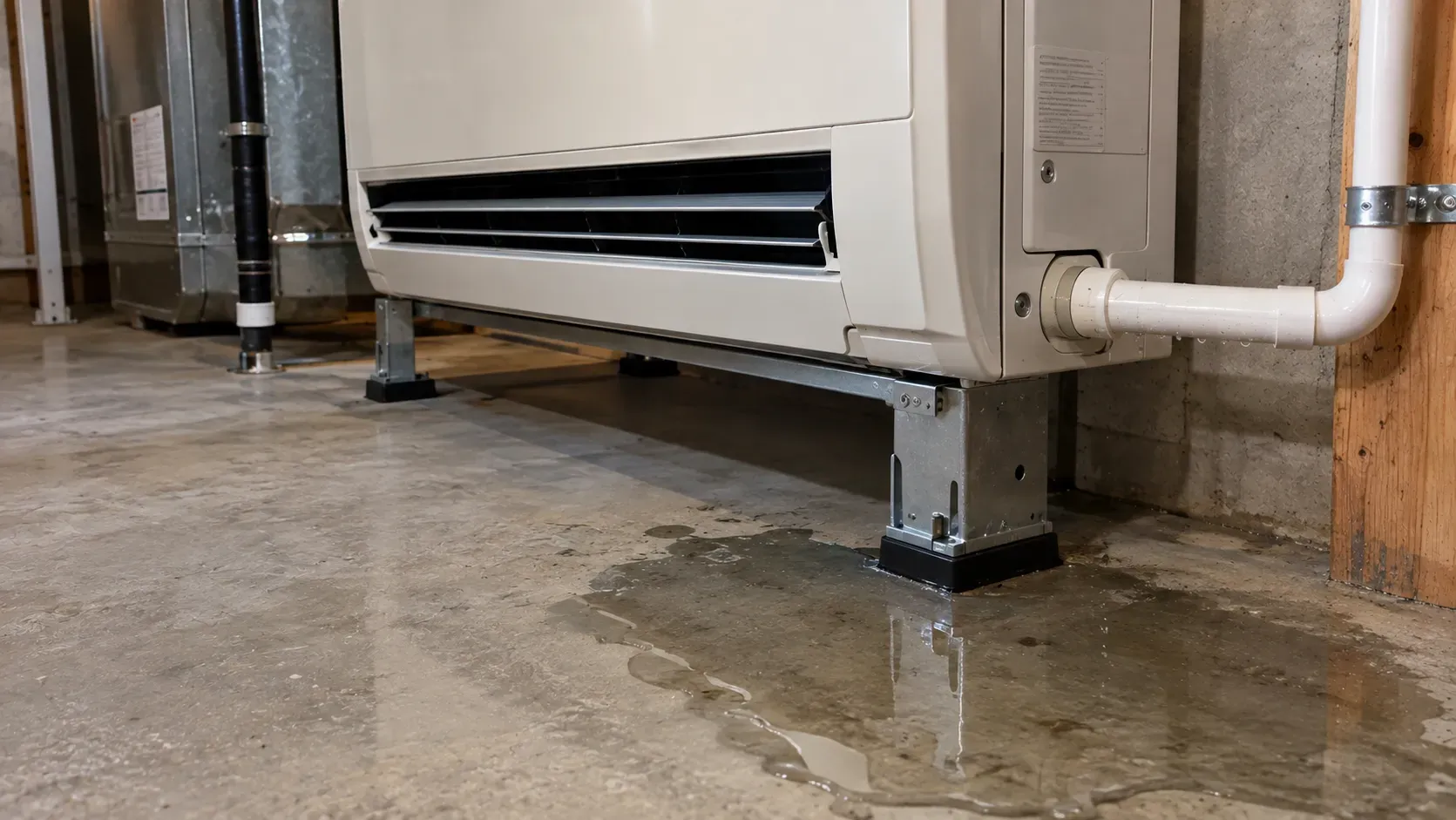
Routine HVAC maintenance ensures heating and cooling systems operate efficiently and reliably throughout the year. Neglected systems are prone to unexpected breakdowns, reduced performance, and higher energy bills, especially during peak summer or winter months. Preventive care addresses small issues before they escalate, supporting both system longevity and consistent indoor comfort. Regular inspections and maintenance are essential for maximizing system performance, maintaining healthy indoor air, and reducing long-term repair costs.
Key Maintenance Tasks
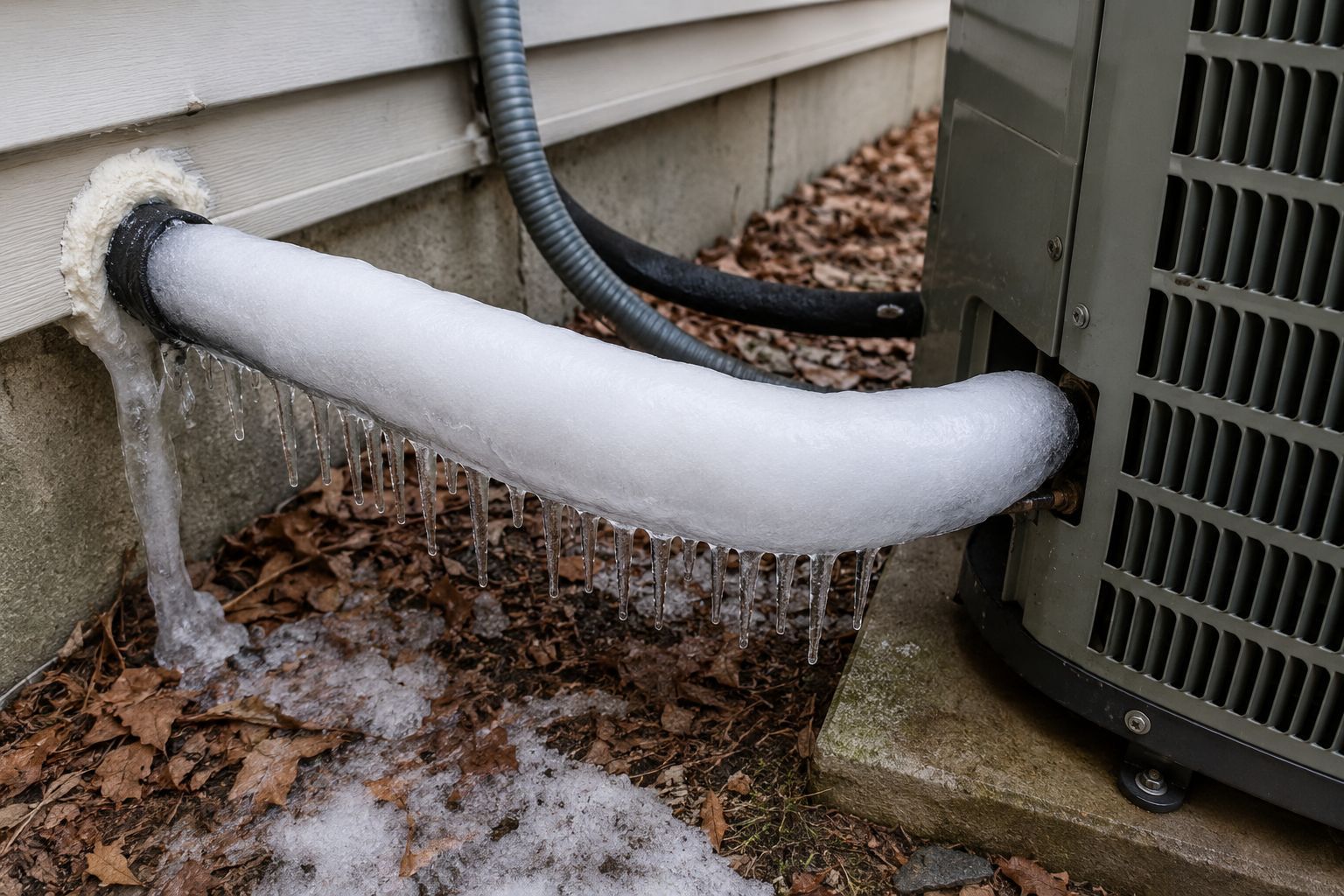
Key HVAC maintenance tasks include regularly replacing air filters, which improves airflow and indoor air quality. Seasonal professional inspections identify worn components, refrigerant leaks, and airflow issues before they affect performance. Cleaning coils, checking electrical connections, and lubricating moving parts ensures the system operates efficiently. These steps not only preserve system functionality but also improve energy efficiency and comfort. Consistent maintenance reduces breakdown risks while extending the service life of critical HVAC equipment.
Real-World Impact
Homes with regularly maintained HVAC systems experience fewer failures, consistent indoor comfort, and lower repair costs over time. Preventive maintenance enhances energy efficiency while reducing the likelihood of emergency service calls. Well-maintained systems support healthier indoor air quality, stable temperatures, and balanced humidity levels. Ultimately, homeowners enjoy reliable comfort, longer system lifespan, and significant cost savings, making proactive maintenance a key strategy for maintaining a comfortable and efficient living environment year-round.
Tip 5: Optimize Airflow and Ventilation
Understanding Airflow Dynamics
Even a properly sized HVAC system cannot provide uniform comfort if airflow is restricted. Blocked vents, closed registers, or improperly designed ducts create hot or cold spots, reduce system efficiency, and increase energy consumption. Effective airflow is critical for distributing heated or cooled air evenly throughout the home. Understanding airflow patterns allows homeowners to maximize HVAC performance, reduce system strain, and maintain consistent comfort while improving indoor air quality.
Practical Airflow Improvements
Maintaining unobstructed vents and registers allows air to circulate freely throughout living spaces. Adjusting dampers and ensuring ducts are properly sized and sealed improves airflow distribution. Mechanical ventilation systems, such as exhaust fans or energy recovery ventilators, enhance indoor air exchange without sacrificing energy efficiency. Implementing these adjustments balances indoor temperatures, prevents uneven heating or cooling, and supports healthier air quality for the entire household.
Long-Term Comfort Gains
Optimized airflow improves comfort consistency, reduces HVAC system strain, and enhances indoor air quality. Even temperature distribution eliminates hot or cold zones, making the home more enjoyable throughout the year. Proper ventilation removes airborne pollutants, odors, and excess moisture, supporting occupant health. Homes with balanced airflow experience reduced energy costs, fewer maintenance issues, and longer system lifespan. Effective ventilation ensures a healthier, more comfortable indoor environment in every season.
Maintaining year-round home comfort does not require complex upgrades or costly overhauls. By focusing on consistent temperature control, effective insulation, balanced humidity, regular system maintenance, and optimized airflow, homeowners can create a stable and enjoyable indoor environment in every season. Each of these strategies works together to reduce energy waste, minimize system stress, and improve daily comfort. Small, proactive steps taken consistently deliver lasting results, protecting both comfort and investment. Understanding how home systems interact allows homeowners to make informed decisions that prevent discomfort before it begins. A comfortable home supports better health, improved productivity, and long-term peace of mind. When comfort is managed strategically rather than reactively, homeowners experience fewer disruptions and greater confidence in their living space throughout the year.
Proven HVAC Experts Committed to Home Satisfaction
For homeowners seeking dependable expertise and proven solutions, A & A Precision Heating, Cooling & Refrigeration stands as a trusted authority in residential comfort. As an established HVAC contractor serving Evansville, Indiana, the company brings over 30 years of hands-on experience delivering reliable heating and cooling solutions tailored to real-world home environments. Their approach reflects a deep understanding that true comfort goes beyond temperature—it requires precision, consistency, and system integrity.
With decades of industry knowledge, A & A Precision Heating, Cooling & Refrigeration
emphasizes preventative care, system efficiency, and long-term performance. Their commitment to quality workmanship and honest service ensures homeowners receive solutions designed to enhance comfort year-round, not temporary fixes. By aligning proven HVAC practices with modern efficiency standards, the company helps homeowners reduce energy costs, improve indoor air quality, and maintain dependable system operation through every season. When experience, trust, and technical precision matter, A & A Precision Heating, Cooling & Refrigeration
remains a reliable partner for lasting home comfort.