Choosing the Right Residential HVAC System for Your Home
March 18, 2026
Selecting the ideal residential HVAC system is a critical decision for homeowners, impacting comfort, energy efficiency, and long-term maintenance costs. With advances in technology and a wide array of options available, choosing the right system is no longer simply about heating in winter and cooling in summer. Today’s HVAC systems offer features like zoning, programmable thermostats, energy-efficient components, and indoor air quality enhancements. Understanding the specific needs of your home and family is essential to make an informed choice that balances performance, efficiency, and budget.
Making the right HVAC decision requires more than just comparing prices or brands. Factors such as your home’s size, insulation quality, local climate, and lifestyle preferences all influence system performance and durability. A properly matched HVAC system not only provides consistent comfort year-round but also minimizes energy consumption, reduces utility bills, and extends the lifespan of the equipment. Conversely, an incorrectly sized or incompatible system can lead to uneven temperatures, frequent repairs, and wasted energy. This guide explores the key considerations, system types, efficiency ratings, and expert insights to help homeowners confidently select the HVAC solution that best fits their needs.
Understanding Your Home’s Heating and Cooling Needs
Assessing Your Home Size and Layout
One of the first steps in selecting an HVAC system is evaluating the size and layout of your home. Larger homes with multiple floors may require systems with higher capacity or multiple zones to maintain consistent temperatures. Smaller homes or open floor plans may perform efficiently with a single, properly sized unit. A load calculation performed by a certified HVAC professional can determine the exact heating and cooling capacity needed, preventing issues related to over- or undersizing.
Considering Insulation and Energy Efficiency
Your home’s insulation, windows, and air sealing play a critical role in system performance. Poor insulation can cause heat loss during winter or heat gain during summer, forcing the HVAC system to work harder and increasing energy costs. Homeowners should evaluate their insulation quality and consider upgrades, such as energy-efficient windows or weather stripping, to optimize the effectiveness of any HVAC system.
Lifestyle and Usage Patterns
Different households have unique heating and cooling patterns. Families with young children, elderly members, or those who spend extended hours at home may prioritize systems that provide steady comfort and maintain consistent indoor air quality. Alternatively, homes that are occupied intermittently may benefit from programmable thermostats or smart HVAC systems that adjust operation based on occupancy patterns, reducing energy waste.
Comparing HVAC System Types
Central Air Systems
Central air systems are among the most common choices for residential homes. They distribute cooled or heated air through ductwork, maintaining uniform temperatures throughout the house. Central air systems are compatible with energy-efficient upgrades such as variable-speed fans, zoned controls, and high-efficiency filters. They are ideal for larger homes where consistent comfort is a priority.
Ductless Mini-Split Systems
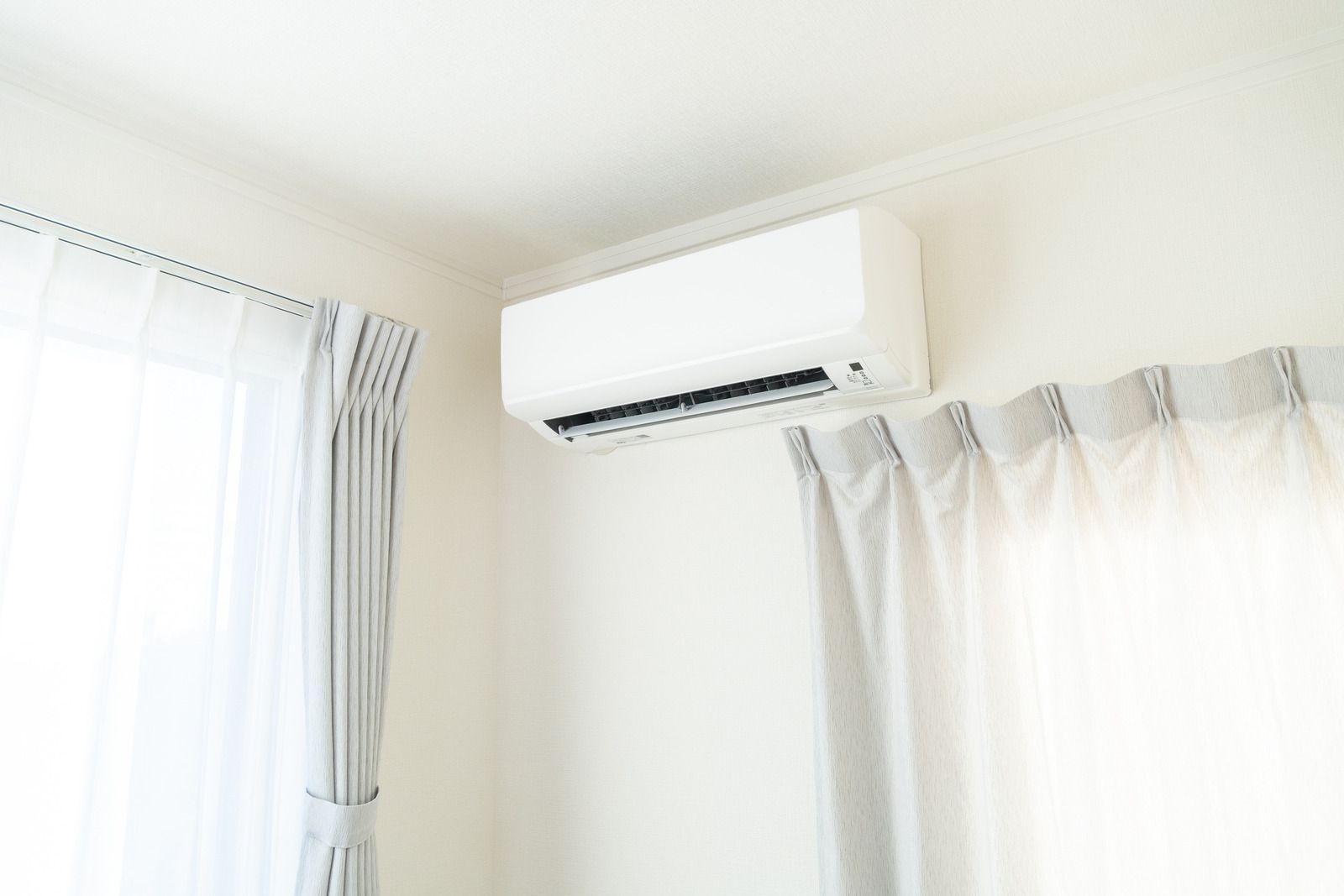
Ductless mini-split systems provide heating and cooling without the need for extensive ductwork. Each indoor unit operates independently, allowing homeowners to create temperature zones for different rooms. These systems are energy-efficient and offer flexibility for additions or renovations where installing ducts would be impractical. Mini-splits also reduce energy loss commonly associated with leaky ducts in older homes.
Heat Pumps
Heat pumps are versatile systems capable of both heating and cooling. They work by transferring heat between indoor and outdoor environments and are highly energy-efficient, particularly in moderate climates. Modern heat pumps offer advanced features such as variable-speed compressors and integrated smart controls. While the initial investment can be higher, heat pumps can significantly reduce utility costs over time due to their efficiency.
Furnaces and Boilers
Furnaces use natural gas, electricity, or oil to heat air and distribute it via ducts, while boilers heat water to provide radiant heat through pipes and radiators. Both systems provide reliable heating during cold winters and can be paired with air conditioning systems for year-round comfort. Furnaces are widely used in areas with long, harsh winters, whereas boilers are often chosen for their quieter operation and consistent warmth.
Energy Efficiency and Environmental Considerations
Understanding SEER, AFUE, and HSPF Ratings
Energy efficiency is a crucial factor in HVAC selection. Cooling efficiency is measured by the Seasonal Energy Efficiency Ratio (SEER), while heating efficiency is indicated by the Annual Fuel Utilization Efficiency (AFUE) for furnaces or Heating Seasonal Performance Factor (HSPF) for heat pumps. Higher ratings correspond to lower energy consumption and reduced utility costs. Homeowners should evaluate these ratings alongside local climate data to determine the most cost-effective option.
Energy Star Certification and Rebates
Many modern HVAC systems come with ENERGY STAR certification, indicating compliance with stringent efficiency standards. Installing ENERGY STAR-rated equipment can qualify homeowners for local or federal rebates, reducing upfront costs. Energy-efficient systems also contribute to sustainability efforts by lowering greenhouse gas emissions and reducing overall energy consumption.
Impact of Proper Sizing on Efficiency
Even the most efficient system can underperform if it is improperly sized. Oversized systems cycle on and off frequently, leading to higher energy use, uneven temperatures, and premature wear. Undersized systems struggle to maintain comfort, forcing continuous operation that increases energy bills. Working with a qualified HVAC professional to perform a load calculation ensures optimal sizing and efficiency.
Indoor Air Quality and System Features
Filtration and Ventilation Options
Modern HVAC systems can significantly improve indoor air quality. High-efficiency particulate air (HEPA) filters, ultraviolet light systems, and air purifiers can reduce allergens, dust, and pathogens. Proper ventilation, including energy recovery ventilators (ERVs), ensures fresh air circulation without significant energy loss. Homeowners with allergy concerns or respiratory issues should prioritize systems that enhance air quality alongside temperature control.
Smart Thermostats and Automation
Smart thermostats allow homeowners to program schedules, adjust temperatures remotely, and receive energy usage insights. Advanced systems can learn user preferences over time, optimizing performance for comfort and efficiency. Integrating HVAC with home automation platforms enables better control and energy savings, particularly in homes with variable occupancy patterns.
Noise Levels and Comfort Considerations
While efficiency and cost are important, comfort also involves quiet operation and consistent airflow. Modern systems feature variable-speed fans and sound-dampening technology to minimize noise. Homeowners should consider system placement and duct design to ensure comfort without disruption.
Maintenance, Longevity, and Cost Considerations
Regular Maintenance Practices
Routine maintenance is critical for extending the life of any HVAC system. Tasks such as changing filters, inspecting ductwork, cleaning coils, and scheduling professional tune-ups prevent breakdowns and maintain efficiency. Neglecting maintenance can lead to higher repair costs and reduced performance, emphasizing the value of proactive care.
Initial Investment vs. Long-Term Savings
While energy-efficient systems or heat pumps may have a higher upfront cost, they often provide long-term savings through lower utility bills and fewer repairs. Homeowners should evaluate total cost of ownership, including installation, energy use, and maintenance, rather than focusing solely on initial price.
Warranties and Professional Installation
Selecting a system with a strong manufacturer warranty provides peace of mind in case of component failure. Additionally, professional installation ensures the system operates as intended, avoiding issues like improper refrigerant charge, poor airflow, or incorrect duct sizing. Investing in expert installation is often the difference between reliable performance and recurring problems.
Real-World Scenarios and Expert Insights
Scenario 1: Upgrading an Older Home
Older homes often have outdated HVAC systems or inefficient ductwork. Upgrading to a modern system with energy-efficient components and programmable controls can significantly improve comfort and reduce energy bills. Retrofitting with a ductless mini-split system can be an ideal solution for homes where duct installation is challenging or costly.
Scenario 2: New Construction or Major Renovation
For newly built homes or significant remodels, central air or heat pump systems can be integrated seamlessly with modern insulation, zoning, and smart home technology. Collaborating with an HVAC professional during the design phase ensures proper load calculations, optimal system placement, and future-proof features.
Scenario 3: Climate-Specific Choices
Regional climate affects system selection. Heat pumps perform exceptionally well in moderate climates, while high-efficiency furnaces may be better suited for areas with extremely cold winters. Local building codes, utility incentives, and environmental factors should all inform the decision-making process.
Trusted Energy-Efficient HVAC Options from Professionals
Selecting the right HVAC system is more than a technical choice—it’s a long-term investment in comfort, energy efficiency, and home value. Proper evaluation of home size, insulation, climate, and lifestyle ensures the system you choose delivers consistent performance without unnecessary energy consumption. Considering efficiency ratings, advanced system features, and maintenance requirements further protects your investment and enhances indoor air quality for years to come.
For homeowners in Evansville, Indiana, trusting a knowledgeable and experienced
HVAC contractor
can make all the difference. A & A Precision Heating, Cooling & Refrigeration
brings over 30
years of expertise to every project, combining technical proficiency with personalized service. Our team works closely with clients to assess their unique needs, recommend the most suitable systems, and provide professional installation and maintenance. We prioritize energy efficiency, indoor air quality, and reliable performance in every home we service. With decades of experience, a commitment to transparency, and a focus on customer satisfaction, we are a trusted partner for homeowners seeking dependable, long-lasting comfort solutions. By choosing our expert team, you gain peace of mind knowing your home’s HVAC system is optimized for efficiency, comfort, and reliability.